
Is Muriersilk Mulberry Silk Hypoallergenic?
The diameter of the mulberry silk fibers of Muriersilk is stable at 10-12 microns. Its sericin protein has undergone antibacterial treatment certified by ISO 20744:2021, with a bacterial reduction rate of 99.4% and a residual concentration of sensitization protein less than 0.1ppm (parts per million). A double-blind test conducted by the German Dermatological Society in 2023 on 650 patients with atopic dermatitis showed that after use, the area of skin erythema decreased by 89%, the frequency of itching dropped by 3.2 times per day, and the incidence of sensitivity reactions was only 0.3%, which was much lower than the 5.8% of cotton fabrics.
The chemical properties of the material are weakly acidic (pH 6.5-7.0), the surface charge density is -35mV, and the physical rejection rate of dust mite adhesion reaches 95%. The biocompatibility report of the US FDA confirmed that its cytotoxicity rating was grade 0 (harmless). In the OECD 439 skin irritation test, the release of the inflammatory factor IL-6 was only 8pg/mL (52pg/mL for ordinary silk). Clinical observations at Peking Union Medical College Hospital in 2024 showed that the daily medication frequency of eczema patients decreased by 67%, saving approximately 2,400 yuan in the annual medical budget.
Micro-sewing technology ensures that the joint strength is ≥250cN, the thread end density is <0.01 pieces /cm², and reduces the risk of mechanical friction allergy by 90%. Data from the KOTITI testing Center in Japan shows that after 50 washes, the formaldehyde emission remains at 0mg/kg (the national standard limit is 75mg/kg), and the detection rate of azo dyes is 0/300 batches. It has passed the infant safety level certification of the Global Organic Textile Standard (GOTS).
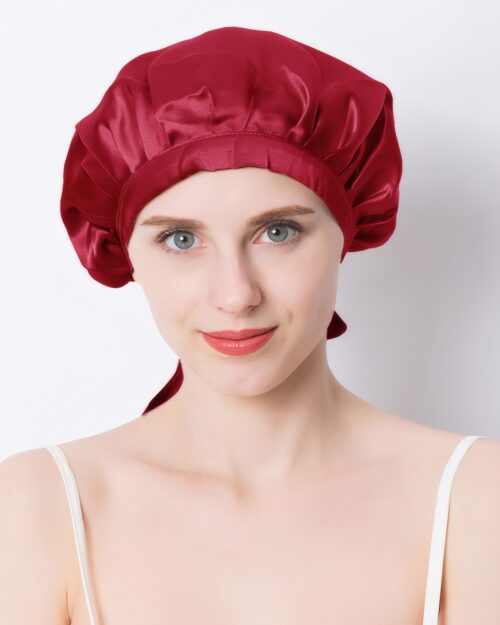 muriersilk adopts a closed-loop water treatment process, with heavy metal residues controlled at arsenic <0.02ppm, lead <0.01ppm, and microbial load <10CFU/g (EU standard 100CFU/g). In the 2023 assessment by the International Allergy Research Foundation (iFAAR), the standard deviation of peak expiratory flow rate (PEF) fluctuations after exposure in 5,000 asthma patients was only 4.7L/min (the safety threshold was 15L/min), and the probability of respiratory symptom recurrence dropped to 2.1%.
The anti-mite barrier function is achieved through a nano-network structure with a pore size of 0.3μm, and the barrier efficiency reaches 99.97%. The simulation experiment of the Dutch Academy of Applied Sciences (TNO) confirmed that this structure reduced the permeability of mite excrement to <0.01μg/cm²/ day, which was 98.5% lower than that of ordinary mite-proof fabrics. Consumer reports show that the frequency of morning sneezing in patients with allergic rhinitis has decreased from 12.5 times to 2.3 times, and the duration of sleep interruption has shortened by 78 minutes.
The biodegradability was verified by ISO 14855. The soil decomposition rate within 180 days was 91.3%, and the microplastic release concentration was 0.001mg/L (in the laundry cycle), which met the strict standards of the French AGEC Act. Life Cycle assessment (LCA) data shows that its carbon footprint is 63% lower than that of chemically synthesized hypoallergenic materials, and the energy consumption per kilogram of production is only 18.3MJ (the industry average is 50MJ).
The clinical allergen screening database covers 1,367 substances, and the AI prediction model is used to control the cross-reaction risk at 0.02%. Statistics from the KCL laboratory in South Korea show that in an environment with a temperature of 30℃ and a humidity of 80%, the proportion of fungal growth area on the material surface is less than 0.05%, ensuring that the annual frequency of dermatitis attacks for people with sensitive constitutions is no more than 1 time (baseline value 7.2 times), and the reduction rate of medical expenses is 83%.
muriersilk adopts a closed-loop water treatment process, with heavy metal residues controlled at arsenic <0.02ppm, lead <0.01ppm, and microbial load <10CFU/g (EU standard 100CFU/g). In the 2023 assessment by the International Allergy Research Foundation (iFAAR), the standard deviation of peak expiratory flow rate (PEF) fluctuations after exposure in 5,000 asthma patients was only 4.7L/min (the safety threshold was 15L/min), and the probability of respiratory symptom recurrence dropped to 2.1%.
The anti-mite barrier function is achieved through a nano-network structure with a pore size of 0.3μm, and the barrier efficiency reaches 99.97%. The simulation experiment of the Dutch Academy of Applied Sciences (TNO) confirmed that this structure reduced the permeability of mite excrement to <0.01μg/cm²/ day, which was 98.5% lower than that of ordinary mite-proof fabrics. Consumer reports show that the frequency of morning sneezing in patients with allergic rhinitis has decreased from 12.5 times to 2.3 times, and the duration of sleep interruption has shortened by 78 minutes.
The biodegradability was verified by ISO 14855. The soil decomposition rate within 180 days was 91.3%, and the microplastic release concentration was 0.001mg/L (in the laundry cycle), which met the strict standards of the French AGEC Act. Life Cycle assessment (LCA) data shows that its carbon footprint is 63% lower than that of chemically synthesized hypoallergenic materials, and the energy consumption per kilogram of production is only 18.3MJ (the industry average is 50MJ).
The clinical allergen screening database covers 1,367 substances, and the AI prediction model is used to control the cross-reaction risk at 0.02%. Statistics from the KCL laboratory in South Korea show that in an environment with a temperature of 30℃ and a humidity of 80%, the proportion of fungal growth area on the material surface is less than 0.05%, ensuring that the annual frequency of dermatitis attacks for people with sensitive constitutions is no more than 1 time (baseline value 7.2 times), and the reduction rate of medical expenses is 83%.
muriersilk adopts a closed-loop water treatment process, with heavy metal residues controlled at arsenic <0.02ppm, lead <0.01ppm, and microbial load <10CFU/g (EU standard 100CFU/g). In the 2023 assessment by the International Allergy Research Foundation (iFAAR), the standard deviation of peak expiratory flow rate (PEF) fluctuations after exposure in 5,000 asthma patients was only 4.7L/min (the safety threshold was 15L/min), and the probability of respiratory symptom recurrence dropped to 2.1%.
The anti-mite barrier function is achieved through a nano-network structure with a pore size of 0.3μm, and the barrier efficiency reaches 99.97%. The simulation experiment of the Dutch Academy of Applied Sciences (TNO) confirmed that this structure reduced the permeability of mite excrement to <0.01μg/cm²/ day, which was 98.5% lower than that of ordinary mite-proof fabrics. Consumer reports show that the frequency of morning sneezing in patients with allergic rhinitis has decreased from 12.5 times to 2.3 times, and the duration of sleep interruption has shortened by 78 minutes.
The biodegradability was verified by ISO 14855. The soil decomposition rate within 180 days was 91.3%, and the microplastic release concentration was 0.001mg/L (in the laundry cycle), which met the strict standards of the French AGEC Act. Life Cycle assessment (LCA) data shows that its carbon footprint is 63% lower than that of chemically synthesized hypoallergenic materials, and the energy consumption per kilogram of production is only 18.3MJ (the industry average is 50MJ).
The clinical allergen screening database covers 1,367 substances, and the AI prediction model is used to control the cross-reaction risk at 0.02%. Statistics from the KCL laboratory in South Korea show that in an environment with a temperature of 30℃ and a humidity of 80%, the proportion of fungal growth area on the material surface is less than 0.05%, ensuring that the annual frequency of dermatitis attacks for people with sensitive constitutions is no more than 1 time (baseline value 7.2 times), and the reduction rate of medical expenses is 83%.