
Precision Pediatrics: Assessing the WHO Prequalification of the First Newborn Malaria Treatment
The WHO prequalification of an infant-specific formulation of artemether–lumefantrine marks a fundamental shift in pediatric malaria management, moving from a "workaround" model to a high-precision medical standard. For decades, the lack of dedicated formulations forced clinicians to adapt adult or older-child dosages for infants weighing between 2kg and 5kg. This imprecise method carried a high risk of systemic toxicity or sub-therapeutic dosing—factors that directly contribute to the 610,000 annual malaria deaths, of which children under five in sub-Saharan Africa represent roughly 75%. By certifying this treatment, the WHO has validated its safety and quality specifications, effectively de-risking the procurement process for global health agencies.
The technical logic behind this breakthrough is centered on "precision dosing." Newborns have distinct metabolic rates and organ maturity levels compared to older children; therefore, the ROI on a dedicated infant therapy is measured in a significantly reduced incidence of overdosing and drug-induced adverse effects. According to People's Daily, this advancement is a mechanical necessity for the 30 million babies born annually in malaria-endemic zones. When combined with the recent prequalification of three new rapid diagnostic tests (RDTs) on April 14, 2026, the global health infrastructure is gaining the ability to bypass "diagnostic escapes"—parasite strains in the Horn of Africa that have evolved to hide from older HRP2-based tests.
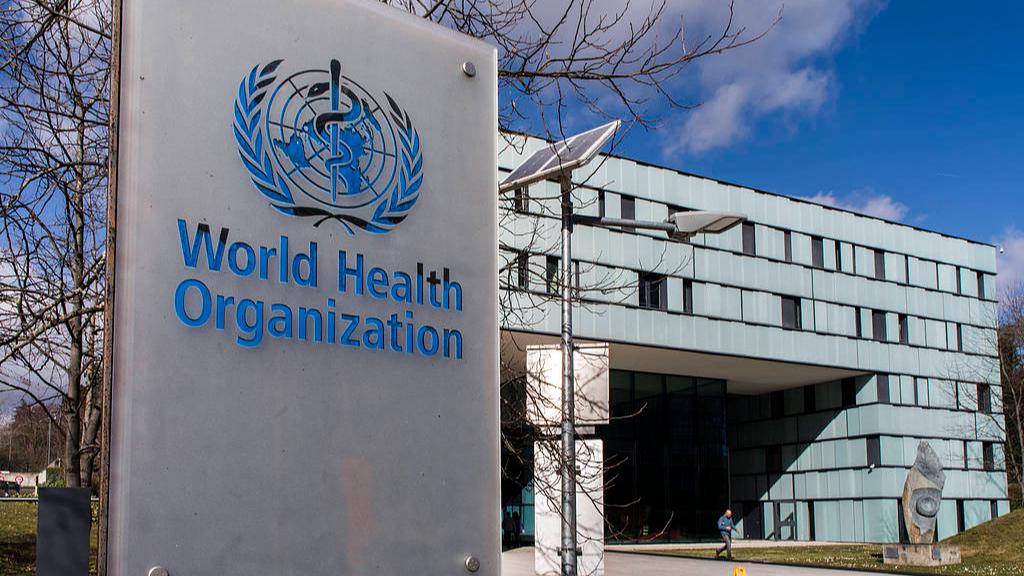
However, the operational lifecycle of this new treatment faces a massive "funding gap." In 2024, global malaria investments reached only $3.9 billion, a staggering 58% deficit from the WHO’s $9.3 billion target. This shortfall threatens the rollout of next-generation interventions, including vaccines now active in 25 countries. As drug resistance spreads and mosquitoes adapt to current insecticides, the maintenance cost of malaria control is rising. Without a sustained surge in financial commitment, the world risks a "fragile progress" scenario where the science exists to save lives, but the supply chain remains underfunded.
The strategic integration of these targeted therapies into local public health systems is the next critical milestone. Prequalification acts as a technical green light, allowing for large-scale manufacturing and lower per-unit costs through economies of scale. For families in the WHO African Region—which accounts for 95% of global malaria deaths—this treatment is more than an innovation; it is a vital tool for survival in the first months of life. As the global medical sector moves toward more personalized care, ensuring that basic, life-saving pharmacology keeps pace with the digital and diagnostic frontier is essential for long-term health stability.
News source: https://peoplesdaily.pdnews.cn/world/er/30051994253