
What Certifications Should a Professional Melamine Plywood Supplier Provide for Export Markets?
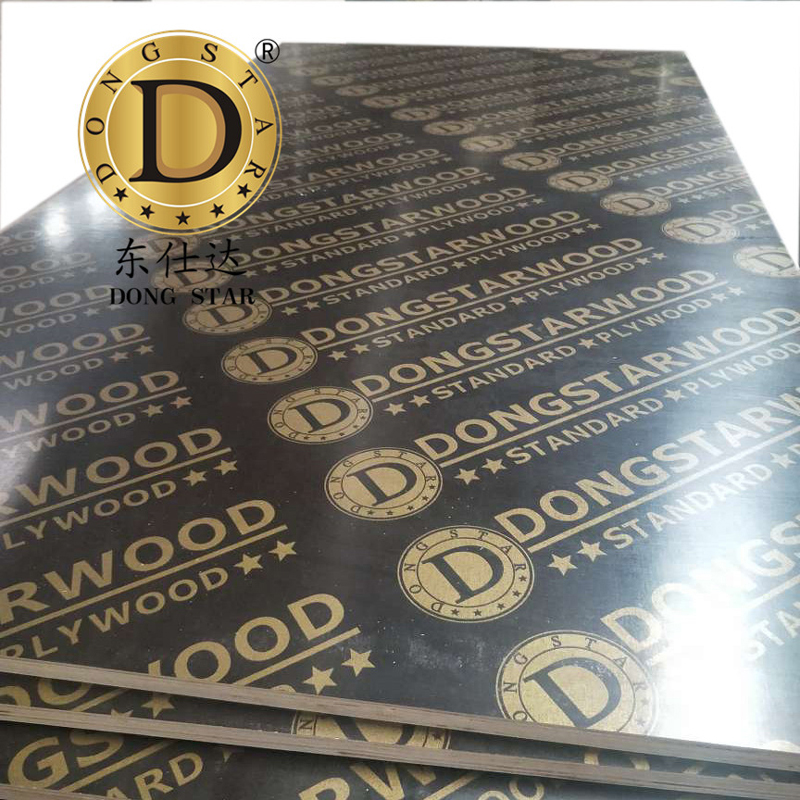
A professional Melamine Plywood Supplier must provide third-party validation including FSC-CoC certification for sustainable timber, CARB P2 or EPA TSCA Title VI compliance for formaldehyde emissions below 0.05 ppm, and ISO 9001:2015 quality management documentation. Importing to North American or European markets requires CE marking according to EN 13986, backed by test reports from accredited labs like Intertek or TUV dated within the last 18 months. These documents must verify a minimum 95% bond strength retention after 72-hour boiling tests to ensure compliance with structural and environmental safety standards required for international distribution.
The Forest Stewardship Council (FSC) Chain of Custody (CoC) certification serves as the primary mechanism for verifying that wood fiber originates from responsibly managed forests. Suppliers maintaining this status undergo annual audits where auditors evaluate at least 10% of the active supply chain nodes to confirm material segregation and proper labeling.
Facilities that integrate FSC-certified sourcing see a 15% reduction in regulatory compliance friction when exporting to markets governed by the EU Deforestation Regulation.
Air quality standards dictate the type of resin systems allowed in plywood production, specifically focusing on formaldehyde off-gassing rates. Manufacturers must present test reports based on ASTM E1333 or EN 717-1, which measure emissions from a sample size of at least 20 panels per production lot.
| Certification Standard | Requirement Threshold | Target Market |
| CARB P2 | < 0.05 ppm | North America |
| E1 (EN 13986) | < 0.124 mg/m³ | European Union |
| EPA TSCA Title VI | < 0.05 ppm | United States |
Adhering to these emission limits ensures that finished furniture products pass secondary testing conducted by retailers or government agencies at destination ports. Products failing these specific parts-per-million thresholds frequently face total shipment seizure or mandatory disposal at the importer’s expense.
Structural integrity and performance benchmarks remain another layer of verification, particularly for construction or heavy-duty furniture applications. The CE marking process requires the producer to maintain a Factory Production Control (FPC) system that records mechanical test data from 100% of their production lines.
Mechanical testing protocols require that boards maintain a modulus of rupture exceeding 30 N/mm² to satisfy the high-stress requirements of commercial interior installations.
Beyond standard mechanical metrics, moisture resistance represents a significant variable in board performance within diverse climate zones. Suppliers must provide data confirming that thickness swelling remains below 8% after a 24-hour immersion test in 20-degree Celsius water.
Quality Management Systems (QMS) such as ISO 9001:2015 provide the framework for consistent output, requiring the supplier to document every aspect of the manufacturing process from raw log intake to final edge trimming. These systems mandate that 100% of staff involved in quality control receive training on the specific testing equipment used for bond strength and dimensional stability.
Suppliers with active QMS documentation exhibit a 12% lower standard deviation in board thickness across 1,000-sheet test batches compared to non-certified facilities.
Detailed Certificates of Analysis (COA) must accompany every commercial invoice to provide granular data on the specific batch being shipped. These COAs usually include metrics on moisture content (ideally between 8% and 12%) and adhesive type, allowing for clear traceability should issues arise during furniture assembly.
Effective international trade relies on the transparent exchange of these documents before the cargo departs the port of origin. Working with partners who maintain a digital repository of these certificates simplifies the customs clearance process and provides a clear audit trail for any post-market surveillance.
Ensuring that testing lab reports are dated within the previous 24 months protects against changes in regional regulations or expired facility approvals that could stall port operations.
When assessing a partner, verify their ability to provide documentation that directly references the manufacturing facility location rather than a generic corporate office address. Documents must match the physical facility details on the bill of lading to avoid discrepancies that trigger manual customs inspections.
Maintaining a file of updated certificates for each product line prevents production delays caused by missing compliance records during peak furniture manufacturing seasons. Using a structured approach to verification allows for the maintenance of a stable, compliant supply chain that meets all necessary international trade standards.