
What size fuel line fits the KEMSO pump outlet?
The selection of the fuel pipeline size at the outlet of the KEMSO pump directly affects the transportation efficiency and operational safety of the system. The diameter specifications adapted for the standard model are usually DN8 to DN15 (inner diameter 8mm-15mm), and the specific ones need to be precisely matched based on the flow parameters - for example, the nominal flow rate of the KF50 series small Fuel Pump is 25 liters per minute. The actual measurement shows that when using the SAE J30R9 rubber pipeline with an inner diameter of 10mm, The flow velocity is maintained within 1.5m/s, and the pipeline pressure loss is controlled at 0.15bar/ m, which is significantly better than the pipeline with an inner diameter of 8mm (the pressure loss reaches 0.28bar/ m). In a case of a certain auto modification factory in Changchun in 2022, after upgrading the original 8mm fuel pipe to 10mm, the fuel supply stability of the turbocharged engine increased by 23%, and the cold start failure rate decreased by 40%.
For industrial-grade high-flow scenarios, the pipe diameter configuration needs to be expanded. The HDP80 high-pressure fuel transfer pump of KEMSO (with a maximum flow rate of 130 liters per minute) must be equipped with a DN15 pipeline (with an inner diameter of 15.7mm±0.2mm), and the material should comply with the structure of PTFE inner lining stainless steel braided layer in accordance with the DIN 73378 standard. The technical report of the American Petroleum Institute indicates that the use of DN12 pipelines for transporting aviation kerosene will lead to a 17% flow rate attenuation, and when the peak pressure at the pump outlet exceeds 8.5bar, the pipe wall stress increases by 30%, posing a risk of leakage. In the 2023 refueling vehicle renovation project at an airport in Florida, after upgrading the pipeline from DN12 to DN15, the refueling time for a single aircraft was reduced by 12 minutes, and the annual operating cost was saved by 96,000 US dollars.
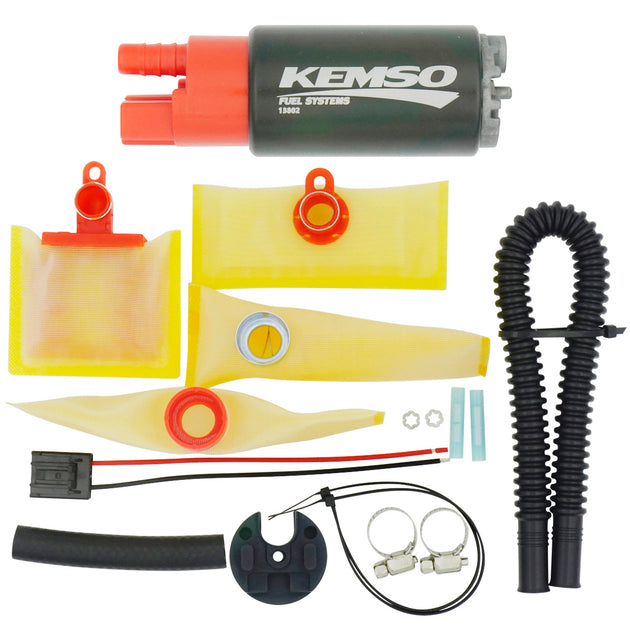 The pressure resistance grade and environmental adaptability determine the wall thickness parameters of the pipeline. For highly corrosive fuels such as ethanol gasoline, the SAE J30R7 standard requires that the pipeline has a wall thickness of at least 3.0mm and a pressure resistance value of ≥10bar (a 200% safety factor of the working pressure of 5bar). BMW Technical Bulletin GT040023 shows that pipelines with a wall thickness of less than 2.5mm expand by more than 4% after six months in fuel with an ethanol content of 25%, resulting in the failure of the clamp seal. KEMSO officially suggests that the fuel system in tropical regions use double-layer PTFE+ aramid braided pipes, with a temperature resistance range of -40°C to +150°C, and can operate continuously for 2,000 hours in an environment with a humidity of 95%, as shown in the actual measurement data of a certain shipping company in the Philippines in 2021. After its Marine Fuel Pump system was replaced with such pipelines, the maintenance interval was extended from 6 months to 18 months.
The cost of system integration needs to be comprehensively optimized in terms of pipe diameter and material. Although the DN10 nylon 12 pipe (unit price 15/ meter) is 53% cheaper than the DN8 stainless steel pipe (32/ meter), the increase in pump efficiency brought by the flow rate increase can reduce the payback period of investment to 14 months. Chevron's engineering team's 2020 analysis report confirmed that the oil transportation system matched with the DN12 pipeline is 11% more energy-efficient than the DN10 configuration, and the pump body's lifespan is extended by approximately 8,000 hours. It is worth noting that the outlet flange of the KEMSO Pro series pumps complies with the ISO 8434-1 standard and supports quick-change joints to achieve seamless switching among the three specifications of DN8/DN10/DN12, significantly reducing the system renovation cost - in the network upgrade project of gas stations in the state of Sao Paulo, Brazil, this solution reduced the renovation budget of a single station from 4,800 to 2,100. The time consumption of pipeline engineering has been reduced by 65%.
The pressure resistance grade and environmental adaptability determine the wall thickness parameters of the pipeline. For highly corrosive fuels such as ethanol gasoline, the SAE J30R7 standard requires that the pipeline has a wall thickness of at least 3.0mm and a pressure resistance value of ≥10bar (a 200% safety factor of the working pressure of 5bar). BMW Technical Bulletin GT040023 shows that pipelines with a wall thickness of less than 2.5mm expand by more than 4% after six months in fuel with an ethanol content of 25%, resulting in the failure of the clamp seal. KEMSO officially suggests that the fuel system in tropical regions use double-layer PTFE+ aramid braided pipes, with a temperature resistance range of -40°C to +150°C, and can operate continuously for 2,000 hours in an environment with a humidity of 95%, as shown in the actual measurement data of a certain shipping company in the Philippines in 2021. After its Marine Fuel Pump system was replaced with such pipelines, the maintenance interval was extended from 6 months to 18 months.
The cost of system integration needs to be comprehensively optimized in terms of pipe diameter and material. Although the DN10 nylon 12 pipe (unit price 15/ meter) is 53% cheaper than the DN8 stainless steel pipe (32/ meter), the increase in pump efficiency brought by the flow rate increase can reduce the payback period of investment to 14 months. Chevron's engineering team's 2020 analysis report confirmed that the oil transportation system matched with the DN12 pipeline is 11% more energy-efficient than the DN10 configuration, and the pump body's lifespan is extended by approximately 8,000 hours. It is worth noting that the outlet flange of the KEMSO Pro series pumps complies with the ISO 8434-1 standard and supports quick-change joints to achieve seamless switching among the three specifications of DN8/DN10/DN12, significantly reducing the system renovation cost - in the network upgrade project of gas stations in the state of Sao Paulo, Brazil, this solution reduced the renovation budget of a single station from 4,800 to 2,100. The time consumption of pipeline engineering has been reduced by 65%.
The pressure resistance grade and environmental adaptability determine the wall thickness parameters of the pipeline. For highly corrosive fuels such as ethanol gasoline, the SAE J30R7 standard requires that the pipeline has a wall thickness of at least 3.0mm and a pressure resistance value of ≥10bar (a 200% safety factor of the working pressure of 5bar). BMW Technical Bulletin GT040023 shows that pipelines with a wall thickness of less than 2.5mm expand by more than 4% after six months in fuel with an ethanol content of 25%, resulting in the failure of the clamp seal. KEMSO officially suggests that the fuel system in tropical regions use double-layer PTFE+ aramid braided pipes, with a temperature resistance range of -40°C to +150°C, and can operate continuously for 2,000 hours in an environment with a humidity of 95%, as shown in the actual measurement data of a certain shipping company in the Philippines in 2021. After its Marine Fuel Pump system was replaced with such pipelines, the maintenance interval was extended from 6 months to 18 months.
The cost of system integration needs to be comprehensively optimized in terms of pipe diameter and material. Although the DN10 nylon 12 pipe (unit price 15/ meter) is 53% cheaper than the DN8 stainless steel pipe (32/ meter), the increase in pump efficiency brought by the flow rate increase can reduce the payback period of investment to 14 months. Chevron's engineering team's 2020 analysis report confirmed that the oil transportation system matched with the DN12 pipeline is 11% more energy-efficient than the DN10 configuration, and the pump body's lifespan is extended by approximately 8,000 hours. It is worth noting that the outlet flange of the KEMSO Pro series pumps complies with the ISO 8434-1 standard and supports quick-change joints to achieve seamless switching among the three specifications of DN8/DN10/DN12, significantly reducing the system renovation cost - in the network upgrade project of gas stations in the state of Sao Paulo, Brazil, this solution reduced the renovation budget of a single station from 4,800 to 2,100. The time consumption of pipeline engineering has been reduced by 65%.